


Environmental, Social, and Governance standards are no longer optional or exclusive to enterprise level corporations. In 2025, ESG compliance for small businesses has become one of the fastest growing regulatory expectations. Customers demand transparency. Investors prioritize responsible companies. Governments are introducing new disclosure requirements across multiple industries.
Small business owners who ignore ESG risk fines, reputational damage, and lost growth opportunities. Those who adopt ESG early position themselves as credible, trustworthy, and future ready. Companies like TheCoConsultant now guide business owners through compliance, operational planning, and reporting frameworks to maintain regulatory alignment.
This comprehensive guide explains what ESG compliance means, why it matters, the 2025 requirements, and the exact steps a small business needs to follow.
Understanding ESG Compliance
What ESG Really Means
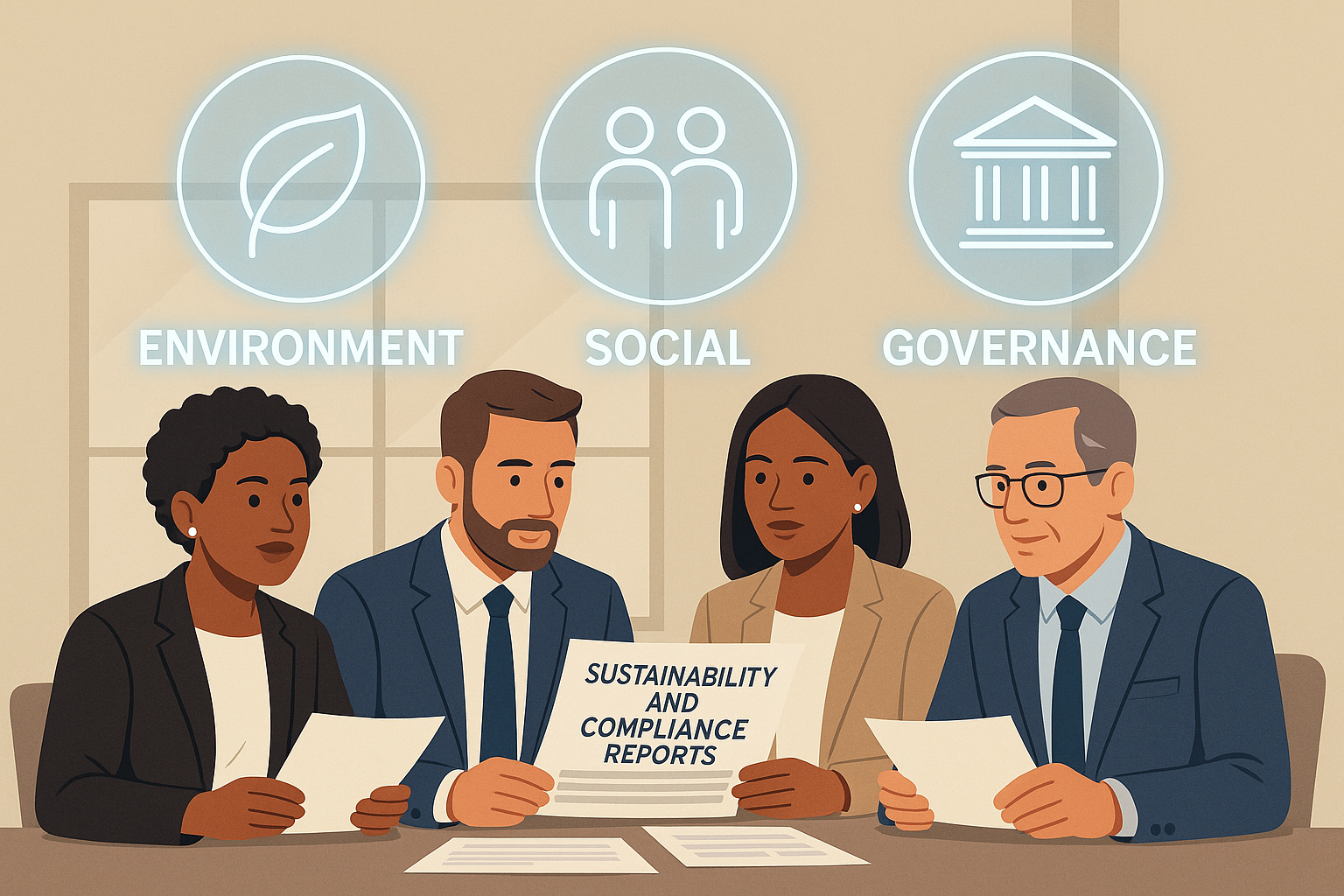
ESG represents three categories of responsible business practices.
Environment
How a business impacts natural resources, energy, waste, and sustainability.
Social Responsibility
How a business supports employees, customers, communities, and ethical labor.
Governance
How a business is managed, controlled, and regulated through policies and oversight.
Why ESG Compliance Matters in 2025
ESG is no longer a trend. It is now a core requirement for credibility and long term growth.
Key reasons include
-
New federal and state level reporting expectations
-
Stronger community and consumer demands
-
Investor and lender requirements
-
Competitive positioning
-
Industry certifications and procurement eligibility
Businesses that adopt ESG early reduce risk and improve operational stability.
The 2025 ESG Requirements Affecting Small Businesses
1. Sustainability and Environmental Reporting
New regulations require certain industries to disclose emissions, energy usage, and waste practices.
Applies to
-
Manufacturing
-
Construction
-
Transportation
-
Hospitality
-
Product based businesses
2. Worker Safety and Social Impact Reviews
States now require updated documentation for:
-
Hiring practices
-
Safety training
-
Health compliance
-
Anti discrimination policies
3. Governance and Transparency Obligations
Small businesses must maintain:
-
Clear internal policies
-
Updated compliance manuals
-
Ethical reporting systems
-
Conflict of interest documentation
TheCoConsultant often helps companies adapt their documentation to meet these evolving requirements.
Building an ESG Strategy for a Small Business
Step 1: Assess Current Practices
Conduct an internal audit in three categories.
Environmental
Energy use, waste, packaging, transportation.
Social
Hiring, training, customer protections, safety, community engagement.
Governance
Policies, controls, data protection, leadership transparency.
Step 2: Identify Gaps and Risks
List all areas where you fall short of industry or state requirements.
Examples include:
-
Missing environmental reports
-
Outdated HR policies
-
No formal governance handbook
-
Weak cybersecurity protocols
Step 3: Implement Practical Improvements
Small businesses do not need massive budgets to strengthen ESG.
Environmental improvements
-
Reduce paper
-
Update lighting
-
Use responsible vendors
Social improvements
-
Improve workplace training
-
Enhance customer complaint resolution
-
Update labor policies
Governance improvements
-
Create internal manuals
-
Strengthen financial controls
-
Document procedures
Step 4: Track Progress and Maintain Records
ESG compliance is ongoing. Businesses must update records regularly and document improvements throughout the year.
Step 5: Publish an Annual ESG Summary
Even small businesses benefit from a simple yearly ESG summary.
Includes:
-
Environmental data
-
Employee training activities
-
Community involvement
-
Policy updates
This transparency builds trust and reduces audit exposure.
ESG Reporting Frameworks Small Businesses Can Use
1. GRI: Global Reporting Initiative
One of the most widely respected ESG reporting frameworks for businesses of all sizes.
2. SASB: Sustainability Accounting Standards Board
Focused on industry specific reporting.
3. ISSB Updates
2025 standards include clearer guidance for emerging and small companies.
4. State Level ESG Filings
Some states now require industry specific ESG disclosures.
TheCoConsultant helps businesses choose the right framework and align documents with evolving regulations.
Common ESG Challenges for Small Businesses
Limited staff
Most small businesses do not have dedicated compliance teams.
Complex terminology
Reporting frameworks can be difficult to interpret.
Cost concerns
Many assume ESG requires expensive initiatives.
Confusion about obligations
Owners often do not know which rules apply to them.
Despite these challenges, modern tools and consulting support make ESG manageable.
Practical ESG Examples for Small Businesses
Environmental Examples
-
Switching to recyclable packaging
-
Reducing single use supplies
-
Implementing energy efficient equipment
Social Responsibility Examples
-
Offering employee training
-
Improving customer complaint systems
-
Supporting local community initiatives
Governance Examples
-
Creating a clear organizational policy handbook
-
Updating ethical guidelines
-
Improving recordkeeping and documentation
These steps strengthen compliance and brand trust.
How TheCoConsultant Helps Small Businesses with ESG Compliance
TheCoConsultant supports owners through every ESG stage including:
-
ESG audits
-
ESG strategy creation
-
Policy writing
-
Governance documentation
-
Industry specific compliance mapping
-
Reporting preparation
-
Ongoing regulatory updates
This ensures full alignment with evolving 2025 requirements.
Learn more about ESG frameworks at the Global Reporting Initiative by visiting the official site at the following link:
ESG compliance for small businesses
Conclusion
Small businesses that understand and apply ESG requirements position themselves for long term success. ESG compliance helps owners reduce risk, attract better clients, build trust, and meet state and federal expectations. With the right guidance, ESG becomes a strategic advantage rather than a burden. For professional support with ESG documentation, audits, and compliance planning, connect with TheCoConsultant and move forward with confidence.
FAQs
What is ESG compliance for small businesses?
It refers to environmental, social, and governance standards that businesses must follow to operate responsibly.
Do all small businesses need ESG reporting?
Not all. However, most industries benefit from adopting ESG because it enhances trust, reduces risk, and improves operations.
How can a small business start ESG planning?
Begin with an internal assessment, identify gaps, and build a simple improvement plan.
Is ESG expensive for small businesses?
Not always. Many improvements are simple and low cost.
Do investors care about ESG?
Yes. Investors prefer companies with clear ethical, environmental, and governance standards.