


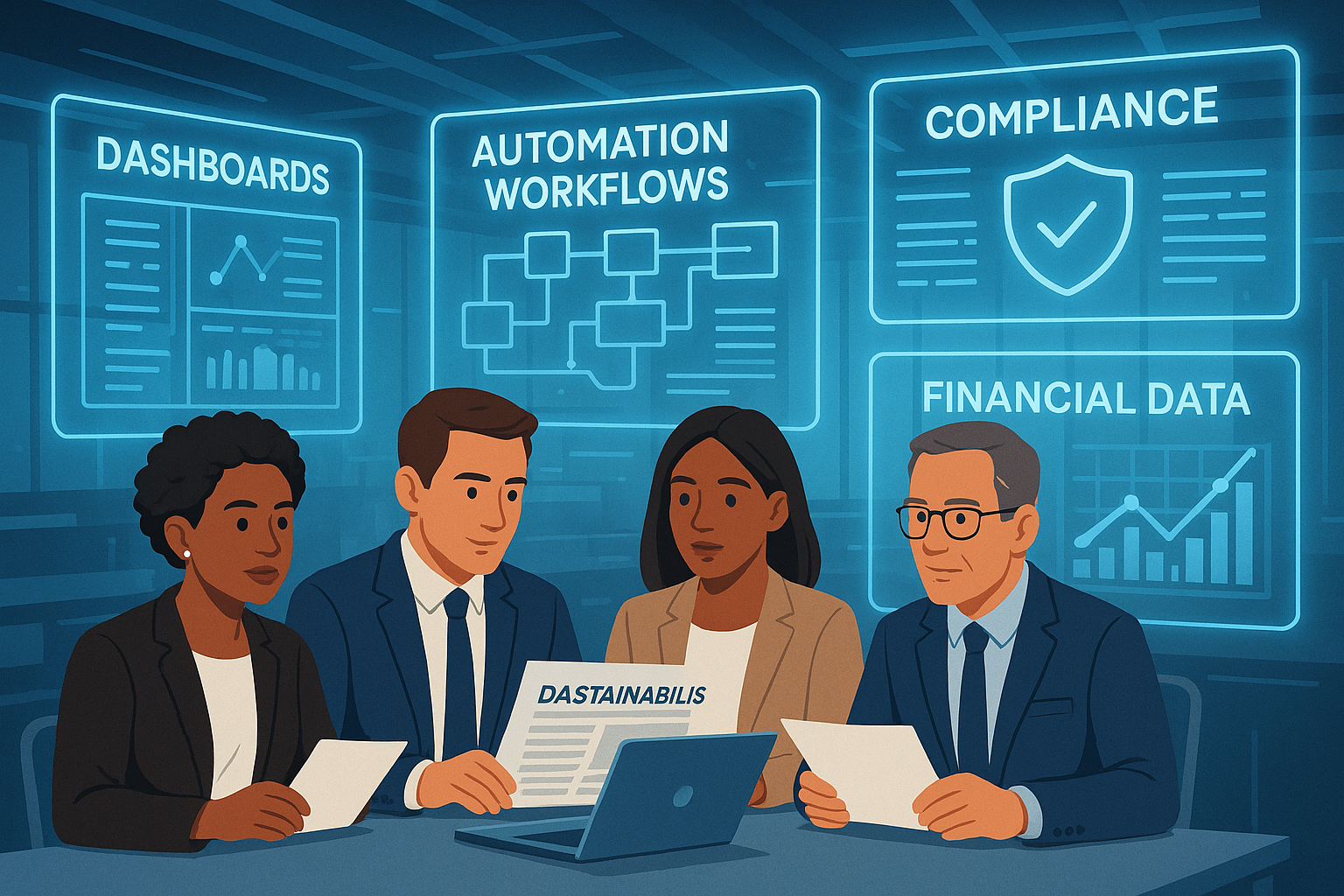
Digital transformation is no longer a trend. It has become a requirement for every business that plans to grow, compete, and operate efficiently in 2025. Over the past few years, technology has evolved from optional tools to essential infrastructure. Every operational area including business formation, compliance, licensing, finance, bookkeeping, consulting, and decision making now depends on digital systems. Companies that adopt digital transformation early gain an advantage. Companies that resist fall behind. With support from strategic consultants like TheCoConsultant, business owners are modernizing processes and building stronger foundations for long term performance. This guide explains why digital transformation is now mandatory, the technologies driving it, and how every business can begin adopting a modern strategy.
Understanding Digital Transformation in 2025
What Digital Transformation Really Means
Digital transformation is the integration of modern technology into every part of a business.
It improves processes, decision making, compliance, and customer experience.
Key components include
-
Automation
-
Cloud systems
-
Artificial intelligence
-
Workflow digitization
-
Data driven decision making
-
Online compliance and reporting tools
-
Digital finance and bookkeeping systems
Digital transformation is not just technology adoption. It is a new way of operating.
Why Digital Transformation Is Essential in 2025
1. Regulatory Compliance Is Becoming Digital First
States are moving toward digital reporting, digital filings, and automated auditing systems.
Businesses that stay on manual processes struggle to keep up.
Digital compliance prevents:
-
Missed deadlines
-
Filing errors
-
Outdated documentation
-
Poor record organization
Tools supported by professionals like TheCoConsultant ensure businesses remain compliant year round.
2. Customers Expect Digital Service and Faster Response
2025 customers expect:
-
Online scheduling
-
Digital payments
-
Automated updates
-
Professional communication
-
Transparent documentation
Businesses without modern digital capabilities lose trust and credibility.
3. Digital Operations Reduce Costs
Digital systems streamline operations and reduce wasted time.
Examples
-
Automated bookkeeping reduces manual data entry
-
Cloud storage eliminates paper costs
-
Digital workflows reduce administrative hours
-
AI tools shorten research and decision making
These improvements allow businesses to use resources strategically instead of reacting to problems.
4. Competition Has Increased Digitally
Competitors now use:
-
Marketing automation
-
AI powered customer support
-
Real time financial dashboards
-
Online client portals
-
Remote service delivery
Businesses without digital systems fall behind quickly.
5. Digital Systems Improve Decision Making
Modern tools provide:
-
Real time financial data
-
Customer insights
-
Compliance alerts
-
Market analytics
-
Forecasting models
Better decisions lead to better growth.
Core Areas of Digital Transformation
1. Formation and Licensing Digitization
Digital transformation begins at the foundational level.
Examples
-
Digital filing systems for formation paperwork
-
Electronic license applications
-
Automated renewal tracking
-
Online document storage
This removes delays and reduces compliance risks.
2. Compliance Automation
Modern compliance software tracks:
-
State regulations
-
Reporting deadlines
-
Renewal dates
-
Document accuracy
AI powered systems help business owners avoid penalties.
3. Cloud Based Bookkeeping
Cloud bookkeeping allows:
-
Real time reporting
-
Automatic categorization
-
Digital receipt storage
-
Instant financial visibility
This is a major shift from old spreadsheets and manual ledgers.
4. Tax and Finance Automation
Digital tax systems assist with:
-
Estimated tax calculations
-
Sales tax tracking
-
Payroll tax reporting
-
Cash flow analysis
With TheCoConsultant supporting strategic planning, businesses stay financially healthy.
5. Digital HR and Operations
Digital tools manage:
-
Hiring
-
Training
-
Onboarding
-
Scheduling
-
Employee documentation
-
Performance records
Digital HR ensures organization and compliance.
6. Strategic Consulting With AI Enhanced Tools
Consulting has evolved.
Professionals now use digital tools that provide deeper insights.
Supports
-
Growth planning
-
Pricing strategy
-
Market entry strategy
-
Risk mitigation
-
Operational design
Digital transformation strengthens coaching and strategic consulting.
Steps to Begin Digital Transformation in 2025
Step 1: Audit Your Current Systems
Identify where your business is still manual.
Look at
-
Filing
-
Licensing
-
Finance
-
Communication
-
Documentation
-
Operations
Step 2: Replace Paper Based Processes
Move documents to secure digital platforms.
Examples
-
Digital signatures
-
Cloud storage
-
Online document templates
Step 3: Choose Technology That Aligns With Your Goals
Not all tools are necessary.
Choose systems that directly support operations.
Step 4: Automate High Time Tasks
Examples include:
-
Payment reminders
-
Invoice creation
-
Compliance alerts
-
Bookkeeping entries
Automation frees your team for strategic work.
Step 5: Adopt AI for Better Decision Making
AI generates insights faster than manual analysis.
AI can assist with:
-
Market trends
-
Pricing recommendations
-
Customer behavior review
-
Forecasting
Step 6: Work With an Expert
Digital transformation requires planning.
Professionals like TheCoConsultant help implement systems correctly and avoid costly mistakes.
Real Examples of Digital Transformation in Small Business
Example 1: A Consulting Firm
Before: Manual invoices, slow onboarding, no digital documentation
After: Automated proposals, online client onboarding, digital compliance folders
Example 2: A Retail Business
Before: Paper receipts, slow inventory updates
After: Real time analytics, automatic tax calculation, digital payment system
Example 3: A Service Based Company
Before: Manual scheduling, inconsistent communication
After: Online scheduling, digital signatures, automated reminders
How Digital Transformation Reduces Business Risk
Compliance Risk
Automated reminders prevent missed deadlines.
Financial Risk
Real time dashboards prevent overspending and cash flow issues.
Operational Risk
Digital workflows reduce errors and miscommunication.
Reputational Risk
Modern digital systems improve professionalism and customer trust.
Learn more about global digital transformation standards here: digital transformation strategy 2025
Conclusion
Digital transformation is now a foundational part of business strategy. It impacts compliance, licensing, formation, finance, operations, and growth. Businesses that modernize create stability and long term strength. Those without digital systems face increasing challenges in 2025. For professional support in digitizing your operational and compliance processes, connect with TheCoConsultant and move your business into the future.
FAQs
What is digital transformation strategy 2025?
It is the modern approach to updating business systems with automation, digital tools, and data driven operations.
Why is digital transformation important for small businesses?
It reduces costs, strengthens compliance, improves decision making, and boosts customer trust.
Does digital transformation require expensive software?
No. Many tools are affordable and scalable for small businesses.
How long does digital transformation take?
It depends on the size of the business. Some transformations take weeks, others take months.
Can consultants help with digital transformation?
Yes. Experts like TheCoConsultant guide businesses through planning, implementation, and long term management.