



Introduction
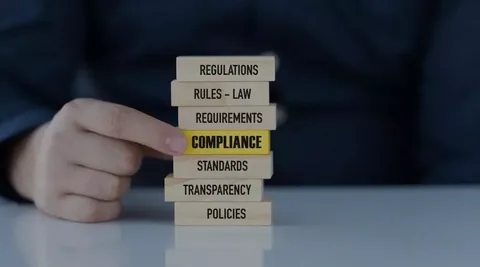
In today’s competitive and highly regulated business environment, compliance is no longer optional it is essential for sustainable growth. Many entrepreneurs focus on marketing, sales, and scaling strategies, but overlook one of the most critical pillars of long term success: staying legally and operationally compliant.
In 2026, as regulations evolve and governments tighten oversight, businesses that fail to meet compliance requirements face serious consequences, including fines, legal disputes, and even shutdowns. On the other hand, companies that prioritize compliance build stronger foundations, earn customer trust, and position themselves for scalable growth.
This guide explains what business compliance is, why it matters more than ever, and how it directly impacts your ability to grow and succeed in the U.S. market.
What Is Business Compliance?
Business compliance refers to the process of following all applicable laws, regulations, standards, and ethical practices required to operate legally.
It includes everything from registering your business correctly to maintaining financial records and meeting ongoing legal obligations.
Key Areas of Business Compliance
Compliance covers multiple aspects of business operations.
Each area plays a role in ensuring your business runs smoothly and legally.
- Business registration and licensing
- Tax filings and financial reporting
- Employment laws and labor regulations
- Industry specific rules and standards
- Data protection and privacy policies
Why Business Compliance Is More Important Than Ever in 2026
As the business landscape becomes more complex, compliance has become a major factor in determining success or failure.
Ignoring compliance can create risks that limit your ability to grow.
Increasing Regulatory Requirements
Governments are introducing stricter rules to protect consumers and ensure fair practices.
Businesses must stay updated to avoid penalties.
Growing Competition and Market Expectations
Customers and partners expect businesses to operate ethically and transparently.
Compliance builds credibility and trust.
Digital Transformation and Data Laws
With more businesses operating online, data protection has become critical.
Failure to comply with data laws can result in serious consequences.
How Business Compliance Supports Growth
Compliance is not just about avoiding problems it actively contributes to business growth.
A compliant business operates more efficiently and confidently.
Builds Trust and Credibility
Customers are more likely to engage with businesses they trust.
Compliance signals professionalism and reliability.
Reduces Legal Risks
Following regulations minimizes the risk of lawsuits and fines.
This protects your financial stability.
Enables Business Expansion
Compliance is often required for entering new markets or partnerships.
It opens doors to new opportunities.
Improves Operational Efficiency
Structured processes help streamline operations.
This leads to better decision making and productivity.
Risks of Non Compliance
Failing to comply with legal requirements can have serious consequences.
These risks can impact both short term operations and long term growth.
Financial Penalties and Fines
Regulatory violations often result in costly fines.
These expenses can strain your business.
Legal Actions and Lawsuits
Non compliance can lead to legal disputes.
This can damage your reputation and resources.
Business Shutdown or Suspension
Severe violations may result in closure.
This can end your business entirely.
Loss of Reputation
Trust is difficult to rebuild once lost.
Non compliance can harm your brand image.
 Common Compliance Requirements for U.S. Businesses
Understanding the key compliance requirements helps businesses stay on track.
These requirements vary by industry and location.
Business Registration and Licensing
Every business must be properly registered.
Licenses are required for specific activities.
Tax Compliance
Businesses must file taxes accurately and on time.
This includes federal, state, and local taxes.
Employment Laws
Employers must follow labor laws and workplace regulations.
This ensures fair treatment of employees.
Data Protection Regulations
Businesses handling customer data must ensure privacy.
Compliance protects both the business and customers.
How to Ensure Business Compliance
Maintaining compliance requires proactive effort and continuous monitoring.
A structured approach makes the process manageable.
Stay Informed About Regulations
Laws change frequently.
Keeping up to date helps avoid violations.
Maintain Accurate Records
Proper documentation is essential.
It supports audits and reporting.
Use Professional Support
Consultants and legal experts can guide compliance efforts.
This reduces the risk of errors.
Implement Compliance Systems
Systems help automate and manage compliance tasks.
They improve efficiency and accuracy.
Role of Technology in Business Compliance
Technology is transforming how businesses manage compliance.
It provides tools to simplify complex processes.
Automation of Compliance Tasks
Software can handle filings and reporting.
This reduces manual errors.
Real Time Monitoring
Digital tools track compliance status continuously.
This allows quick action when needed.
Data Security Solutions
Technology helps protect sensitive information.
This ensures compliance with privacy laws.
Benefits of Working with Business Consultants
Managing compliance alone can be overwhelming, especially for growing businesses.
Professional guidance can make a significant difference.
Expert Knowledge and Guidance
Consultants understand complex regulations.
They provide accurate advice.
Time and Cost Savings
Outsourcing compliance tasks saves time.
It also reduces costly mistakes.
Focus on Core Business Activities
Delegating compliance allows you to focus on growth.
This improves overall performance.
Future of Business Compliance in 2026 and Beyond
Compliance will continue to evolve as business environments change.
Staying ahead of trends is essential for long term success.
Increased Digital Regulation
Online businesses will face stricter data laws.
Compliance will become more complex.
Greater Emphasis on Transparency
Businesses will need to demonstrate ethical practices.
Transparency builds trust.
Integration of Compliance into Business Strategy
Compliance will become part of core business planning.
It will no longer be a separate function.
Conclusion
Business compliance is a critical foundation for sustainable growth in 2026. While it may seem like a complex and time consuming process, it plays a vital role in protecting your business, building trust, and unlocking new opportunities. Companies that prioritize compliance are better equipped to navigate challenges, scale efficiently, and succeed in competitive markets.
By staying informed, implementing proper systems, and seeking expert support, businesses can turn compliance from a burden into a strategic advantage.
For entrepreneurs and growing businesses looking for expert guidance in compliance, formation, and operational strategy, The Co Consultant provides comprehensive support to help you stay compliant while focusing on scaling your business with confidence.
Frequently Asked Questions
What is business compliance?
It is the process of following laws and regulations required to operate legally.
Why is compliance important for growth?
It reduces risks, builds trust, and enables expansion.
What happens if a business is not compliant?
It may face fines, legal issues, or closure.
How can small businesses manage compliance?
By staying informed, maintaining records, and seeking expert help.
Is compliance expensive?
It can involve costs, but non compliance is usually much more expensive.